
Recomendaciones
From 2023 to 2026, multidisciplinary experts from around the world collaborated virtually to develop aligned, evidence based and consensus driven guidance addressing technique, education, and outcomes across diabetes and metabolic care.
- FITTER Forward – A global collaboration of 16 experts across 13 countries advancing best practices in injection technique and education to improve patient outcomes.
- FITTER BiG – Expert recommendations designed to optimize blood glucose monitoring use and technique across different care settings.
- FITTER Lipo – Survey-based consensus recommendations focused on the prevention, detection, and management of lipohypertrophy.

Tratamiento de la diabetes en adultos
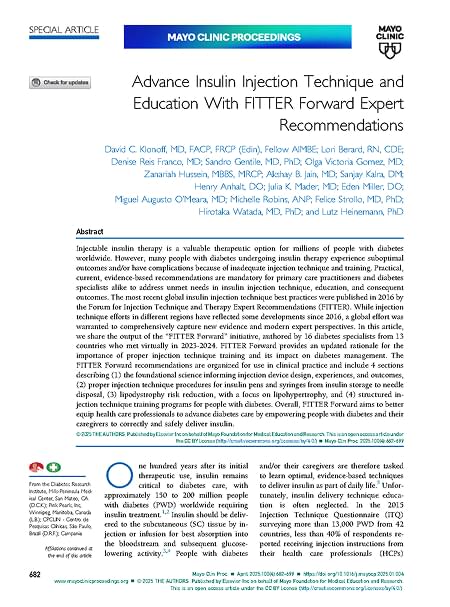
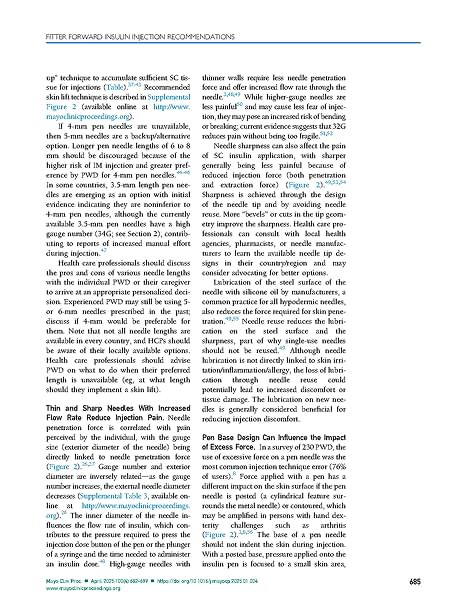
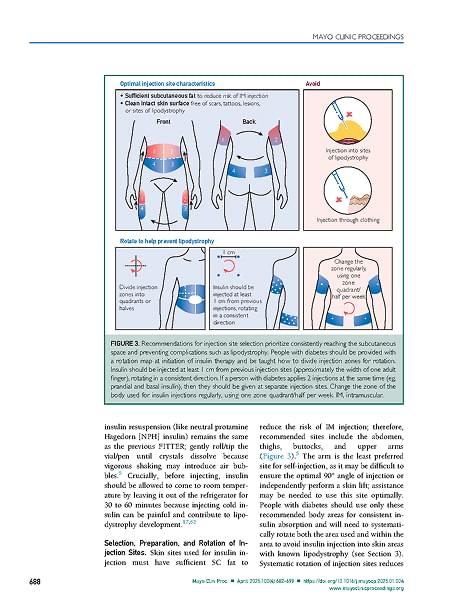
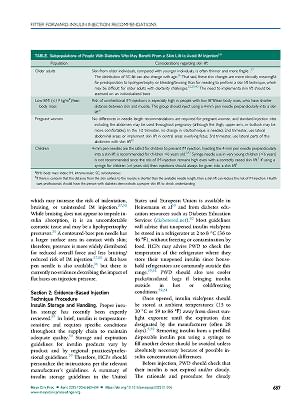
The FITTER Forward initiative included 16 diabetes specialists from 13 countries who met during 4 virtual sessions from September 26, 2023, to June 28, 2024. The FITTER Forward recommendations, published in 2025, revise prior recommendations and share new insights on injection education program design. FITTER Forward highlights the measurable value of proper insulin delivery technique for improving clinical outcomes and reducing unwanted adverse effects.
2025

Webinar
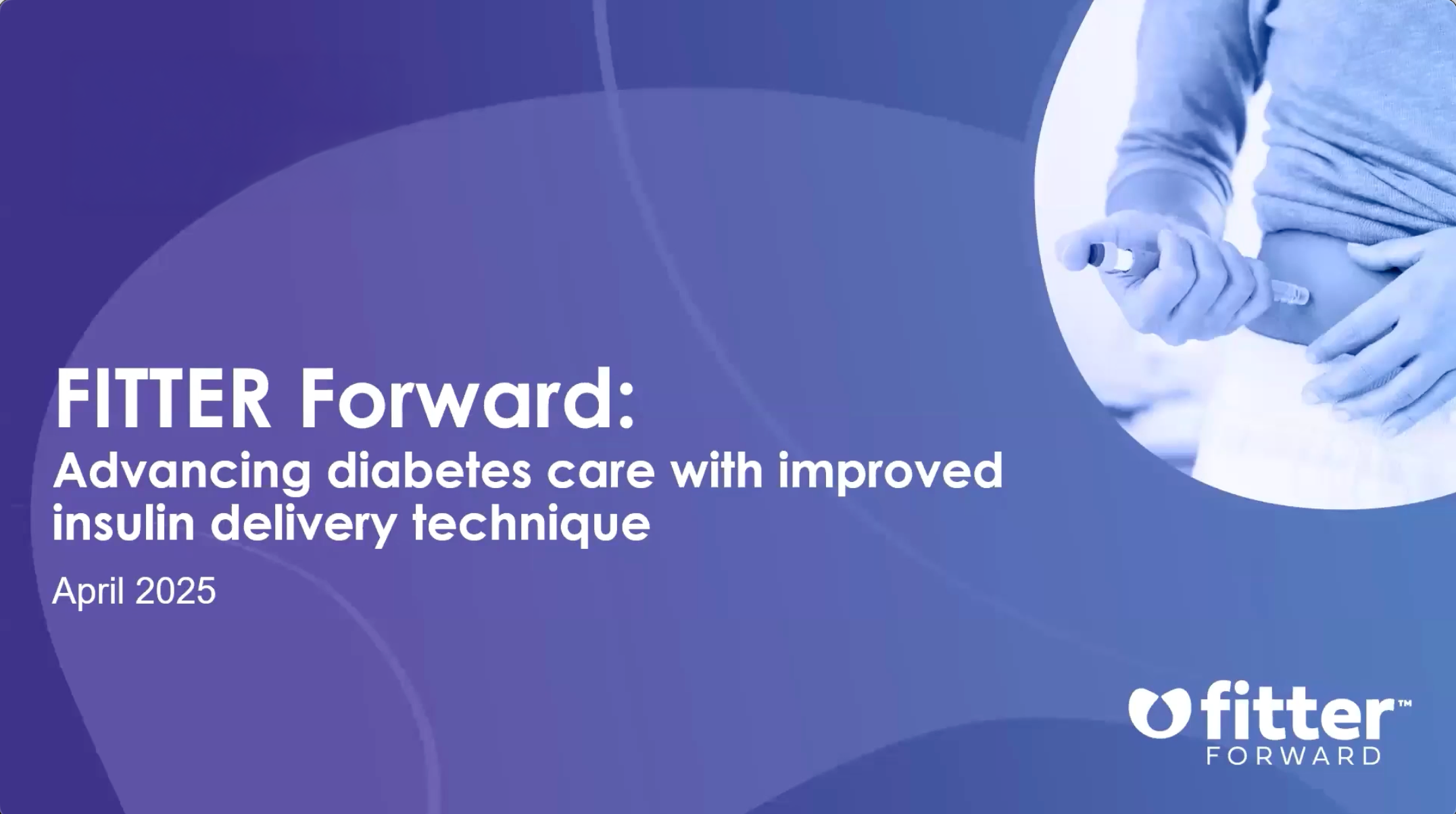
Access the materials from the FITTER Forward webinar featuring advanced insulin delivery techniques and diabetes care improvements presented April 8, 2025.
FITTER Forward Webinar Recording
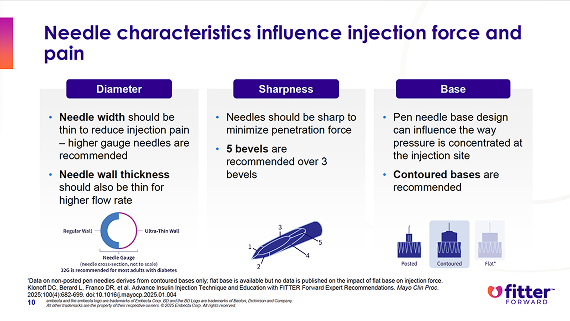

Infographics
Download actionable FITTER Forward recommendations presented as infographics for easy understanding and implementation.
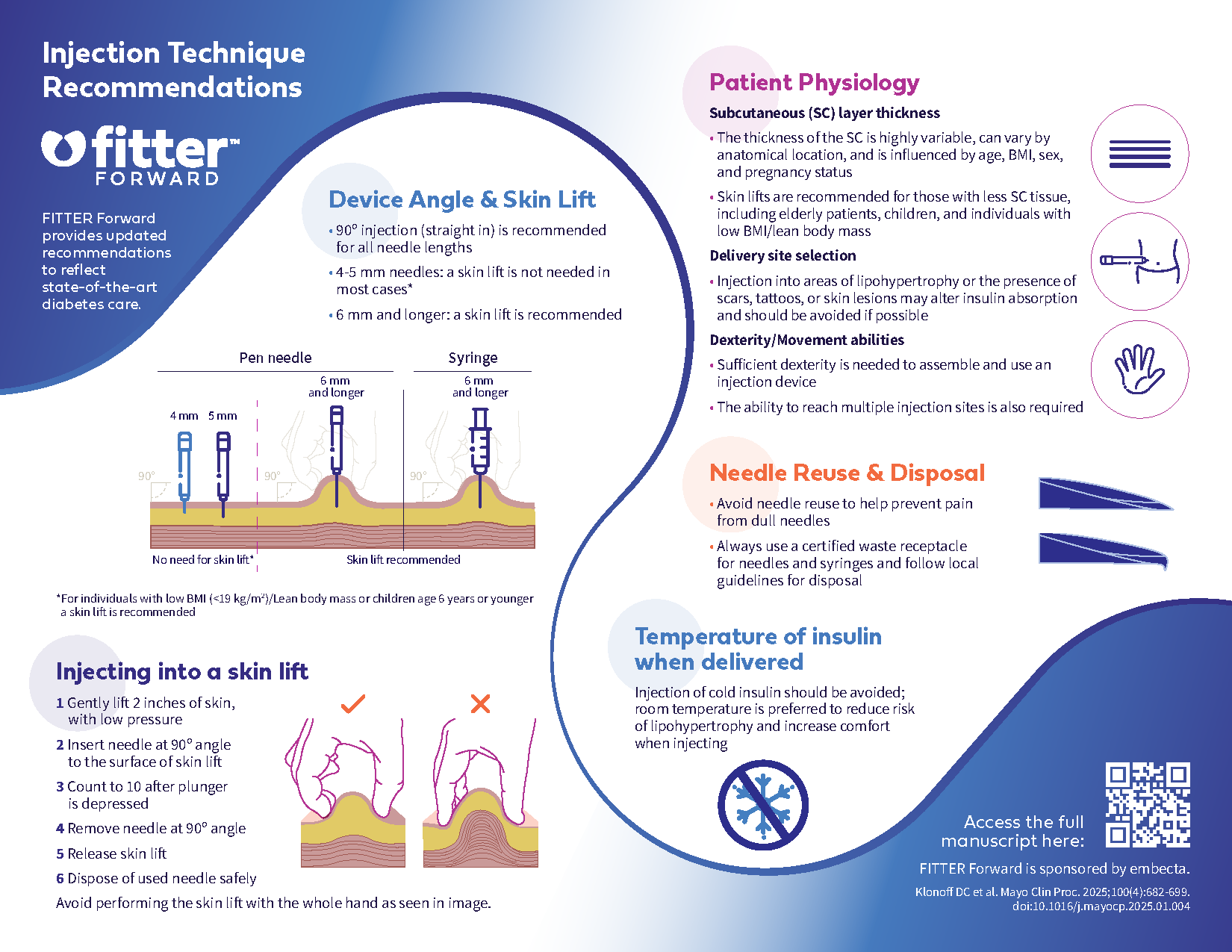
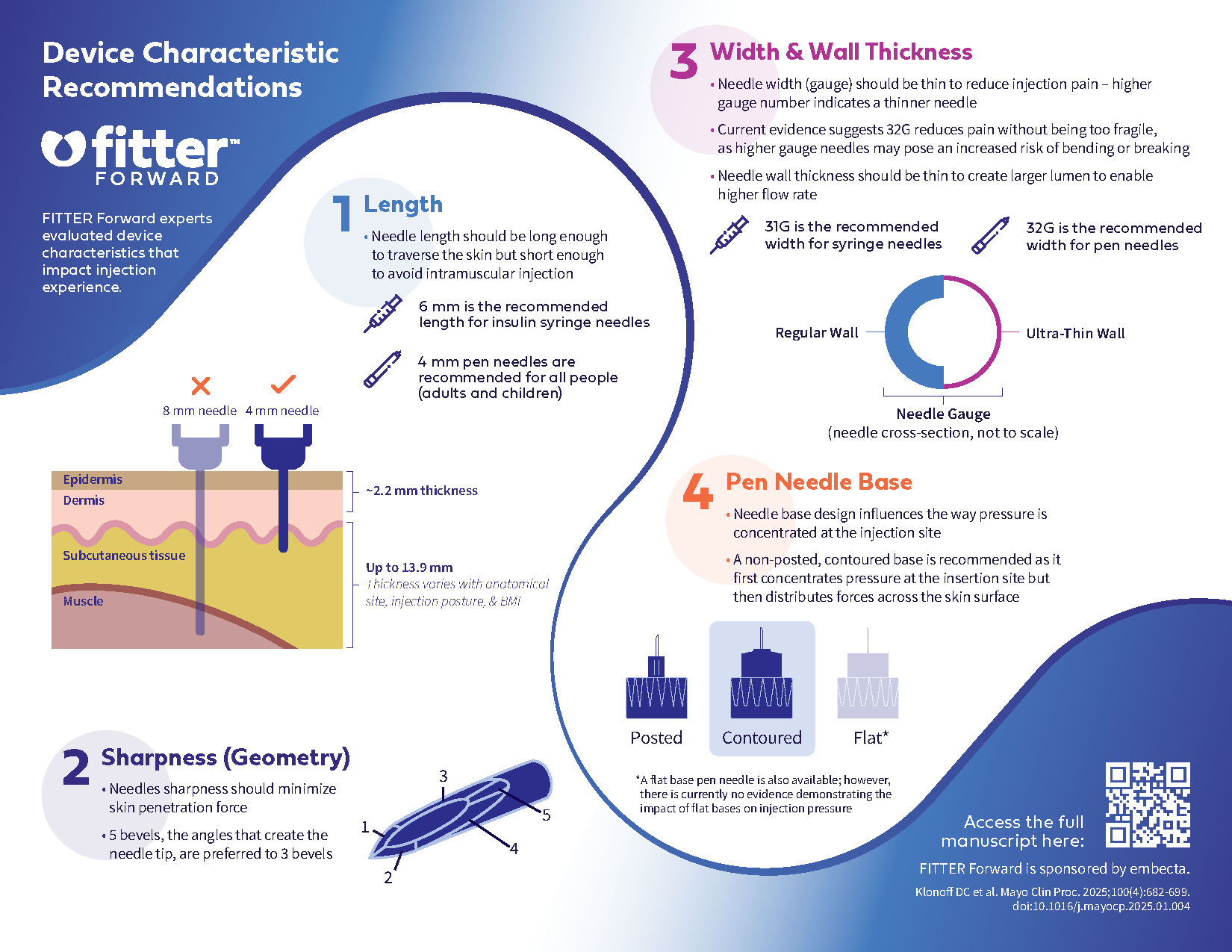
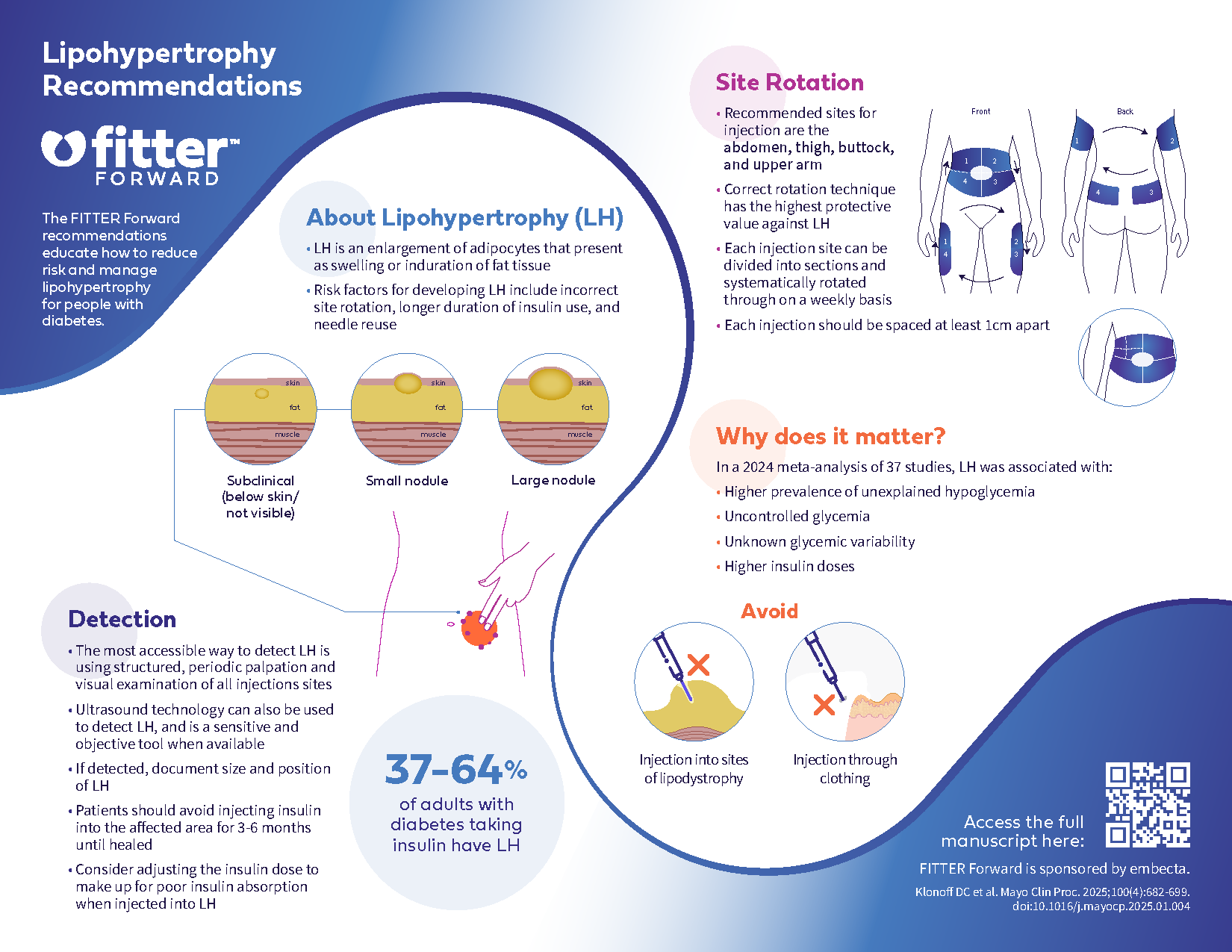
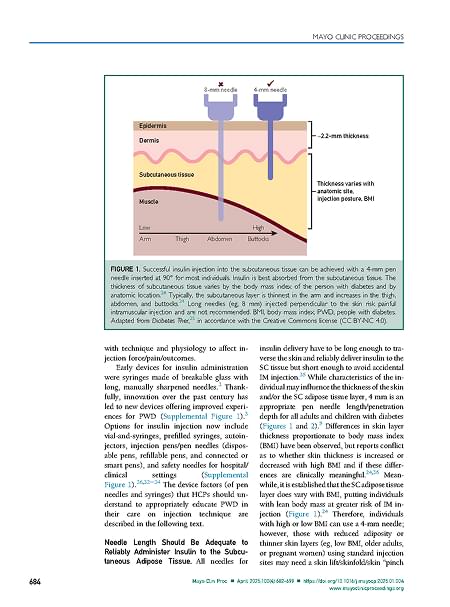
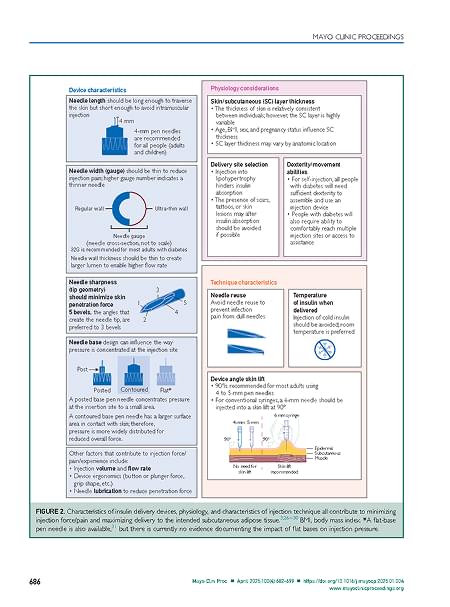
Article Figures (animated)
Explore animations of publication figures, elaborating on current recommendations.
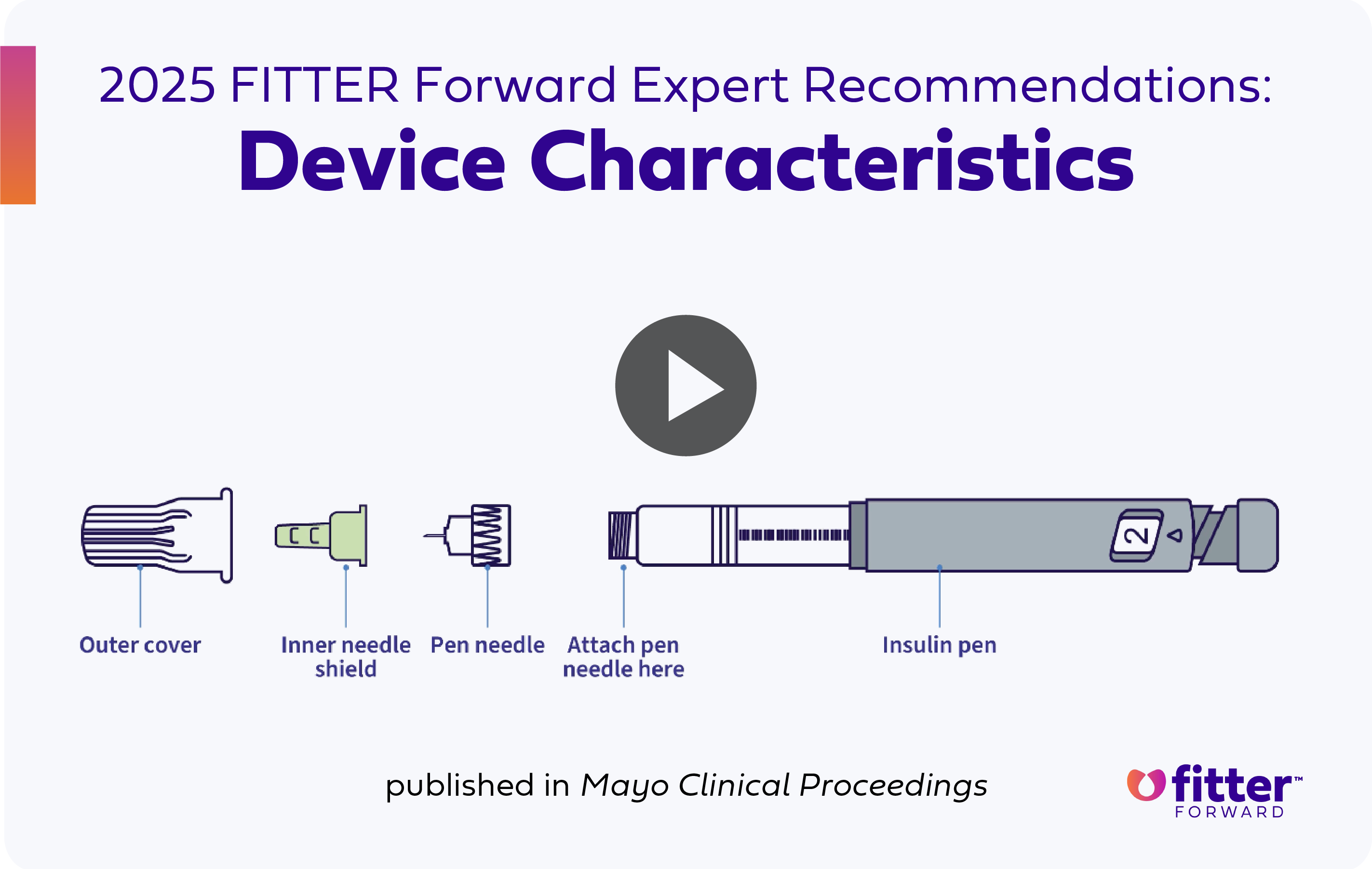
Device Characteristics
Author Voices
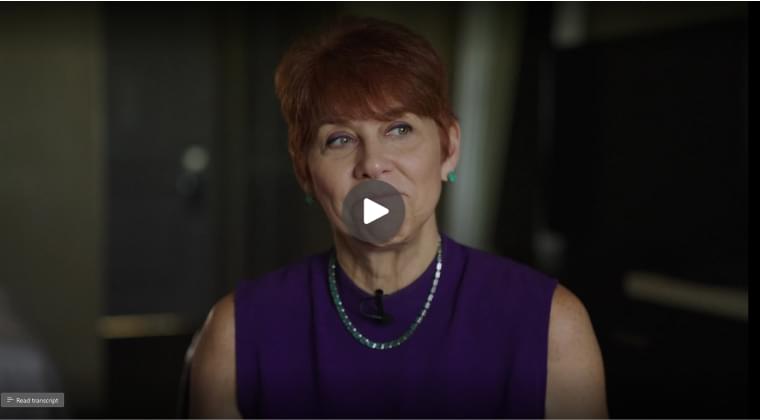
FITTER Forward faculty members discuss how insulin injection techniques have improved their practice and their hopes for broader impact in diabetes care.
What do you hope FITTER Forward will achieve?
Denise Reis Franco, MD
Centro de Pesquisas Clínicas (CPCLIN) São Paulo, Brazil
What does FITTER Forward mean to you?

David Klonoff, MD
Diabetes Research Institute, Mills-Peninsula Medical Center, San Mateo, CA, USA
How have the FITTER recommendations influenced your practice?

Eden Miller, DO
Diabetes Nation, High Lakes Health Care, St. Charles Hospital, Bend, OR, USA
Global Resources
Visit regional websites for country-specific guidelines
fit4diabetes.com
The Forum for Injection Technique (FIT): Canada's Recommendations for Best Practice in Injection Technique
Blood Glucose Monitoring Best Practices
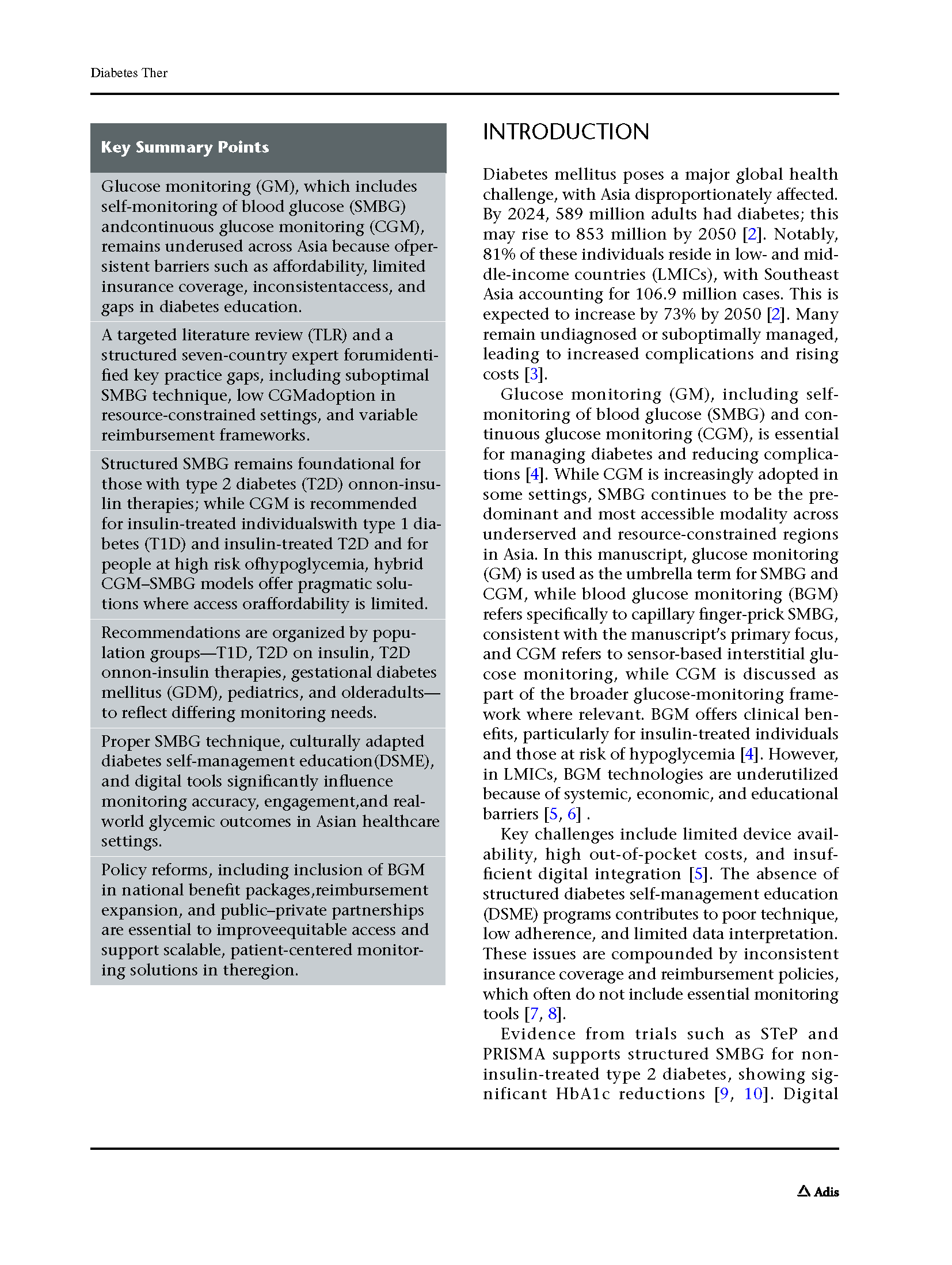
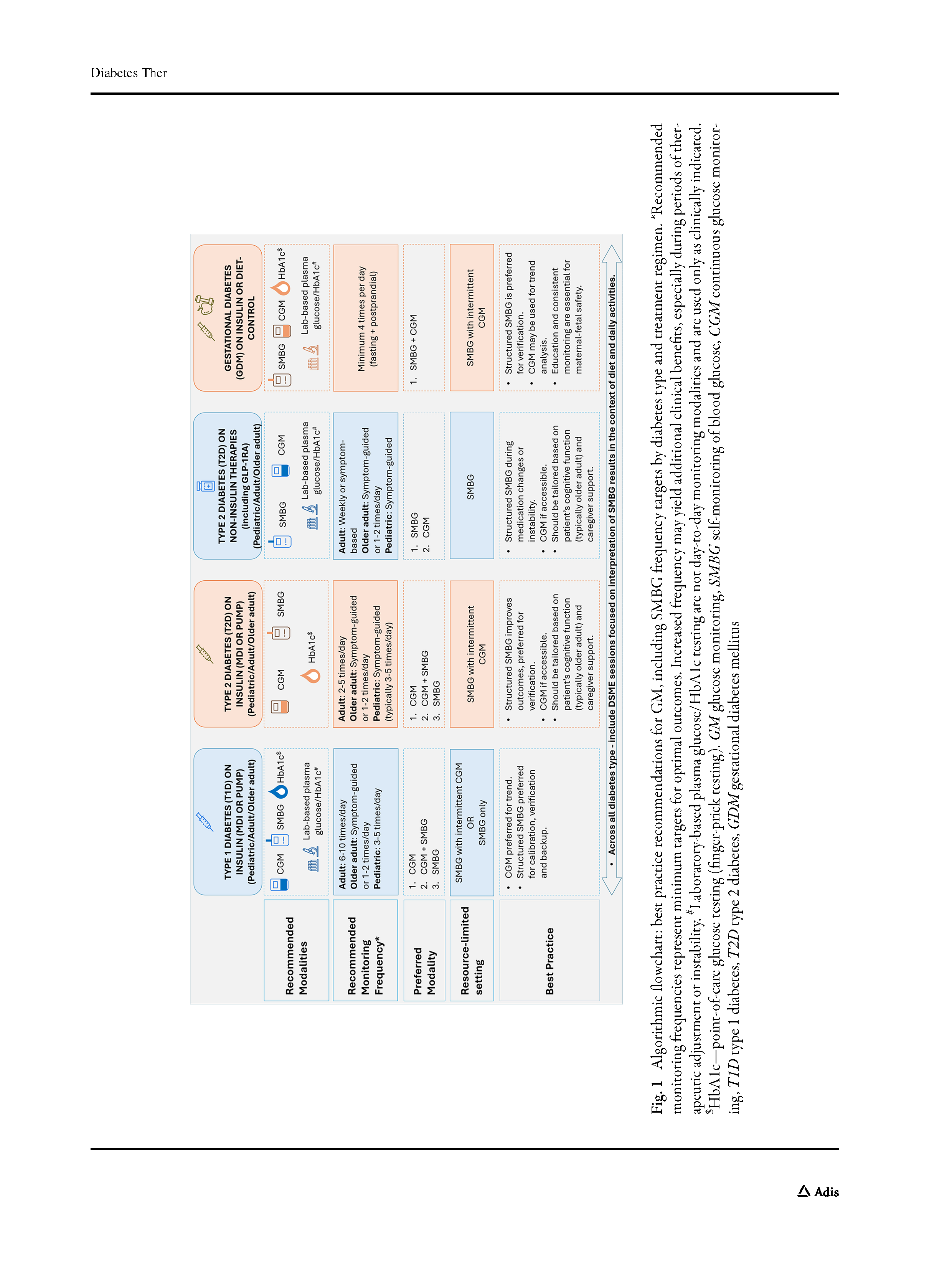
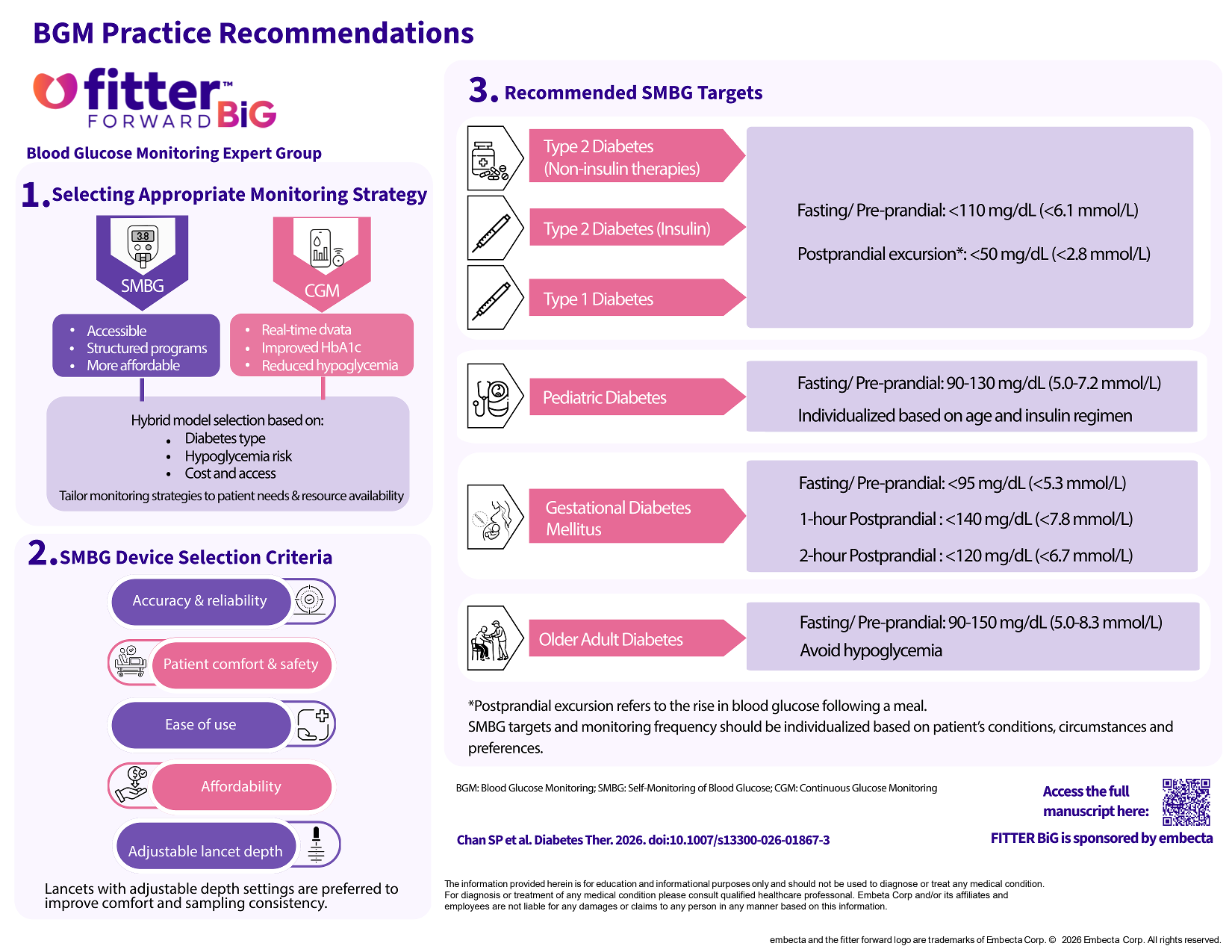
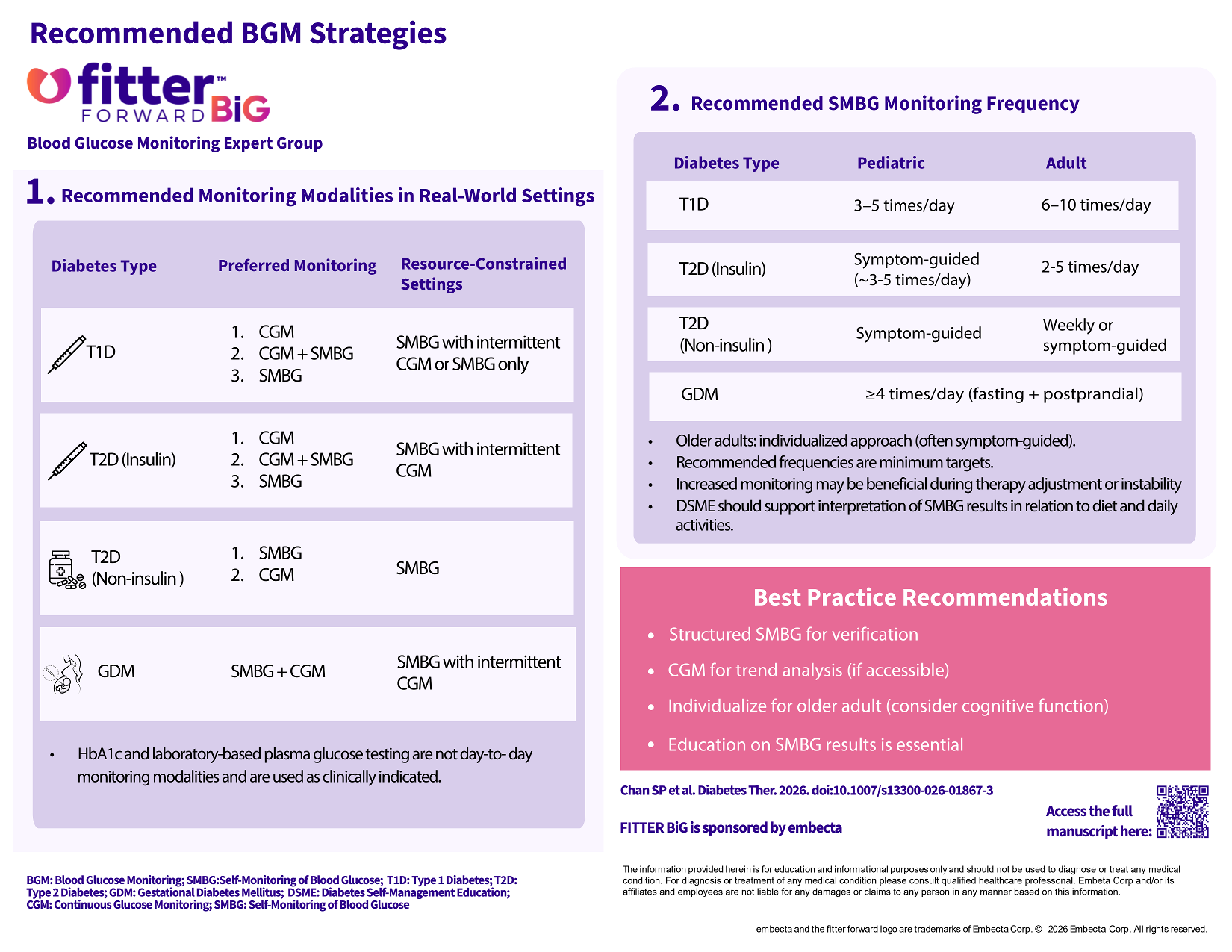
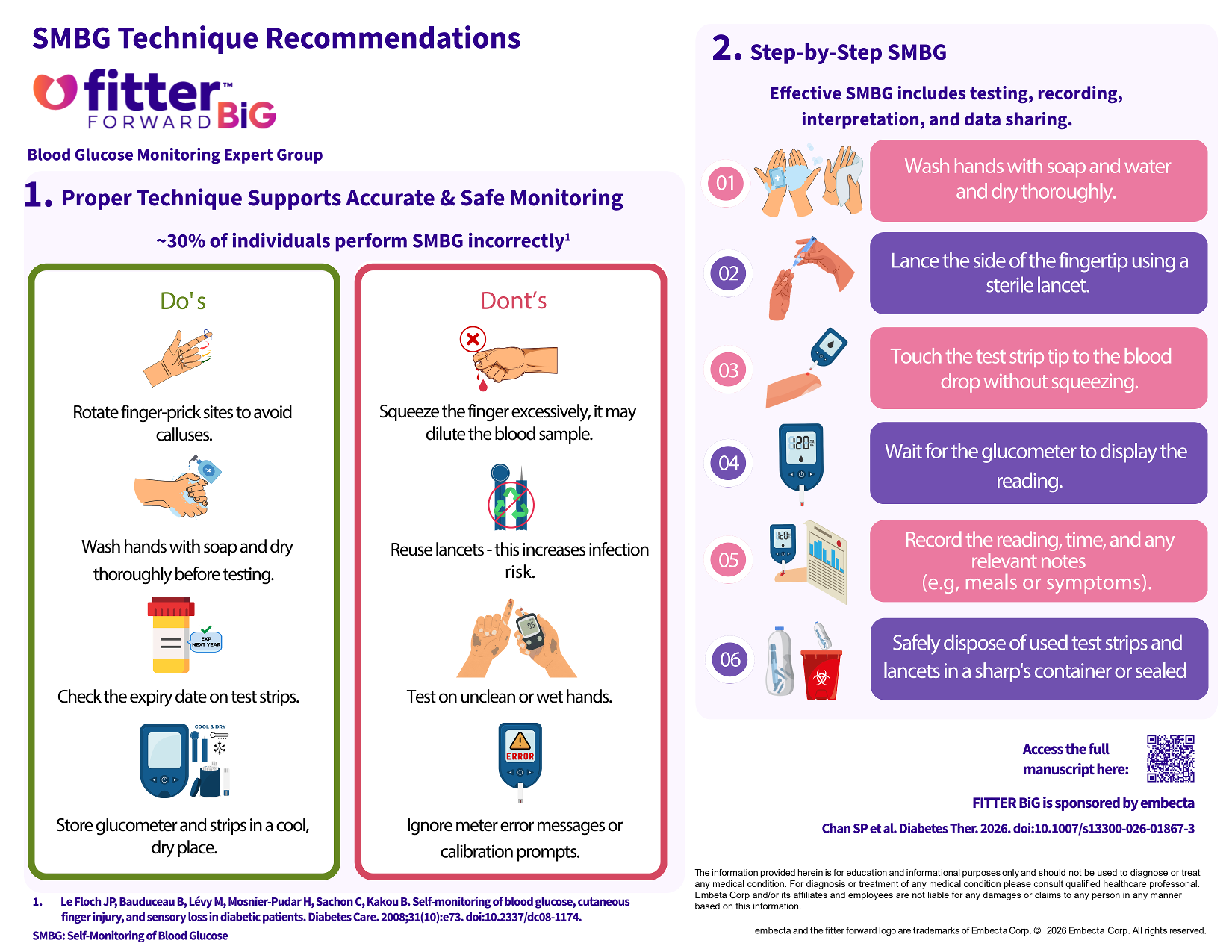
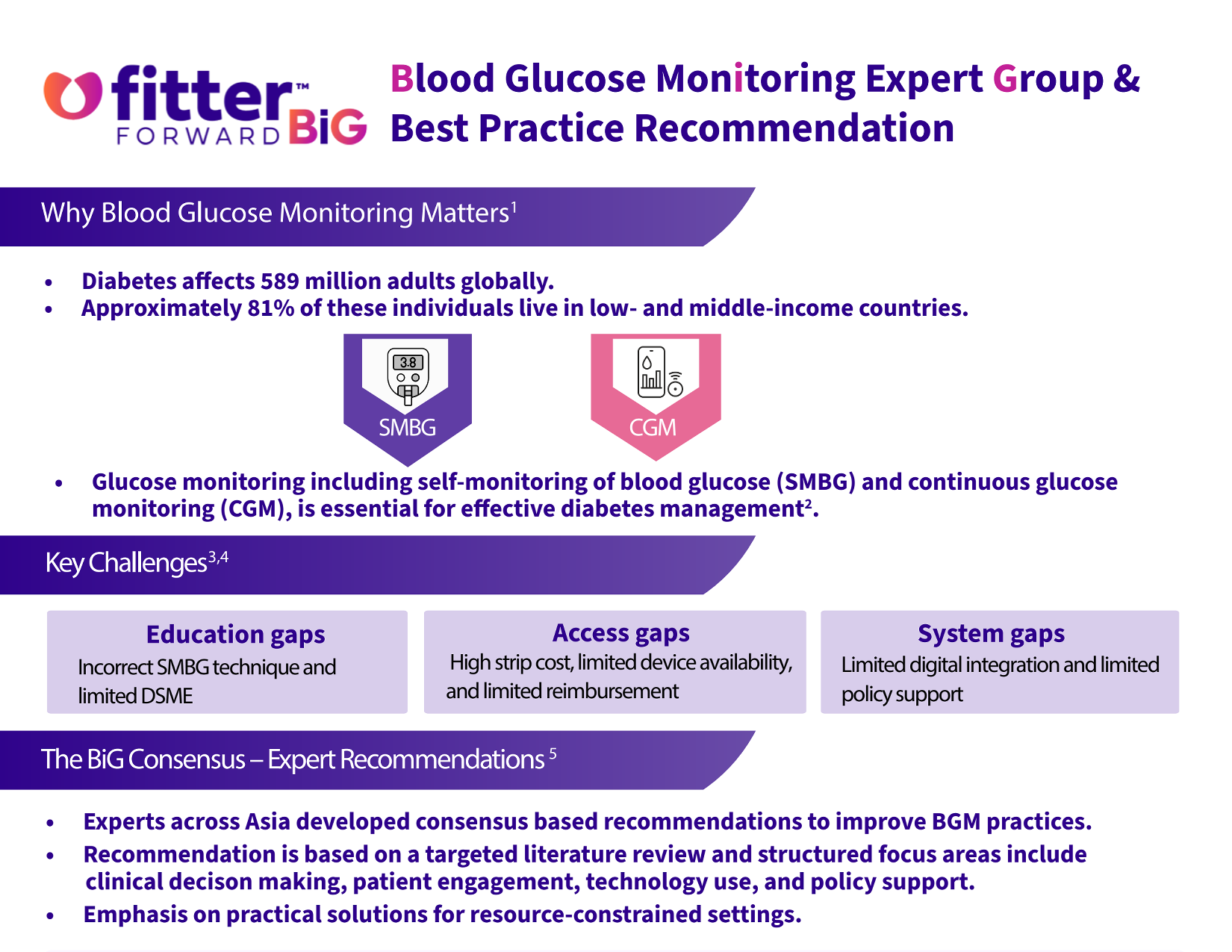
Blood Glucose Monitoring Expert Group and Best Practice Recommendation—FITTER BiG: This manuscript provides consensus-based recommendations for blood glucose monitoring (BGM), developed through a targeted literature review and a structured expert forum involving 7 experts from seven countries. Despite its critical role in diabetes management, BGM remains underutilized and susceptible to technique-related errors, reflecting practice gaps previously documented in insulin injection. The recommendations propose pragmatic, context-specific strategies that address clinical decision-making, patient engagement, technology integration, and policy shaping. The aim is to optimize BGM practices and improve outcomes for people living with diabetes in resource-diverse settings.
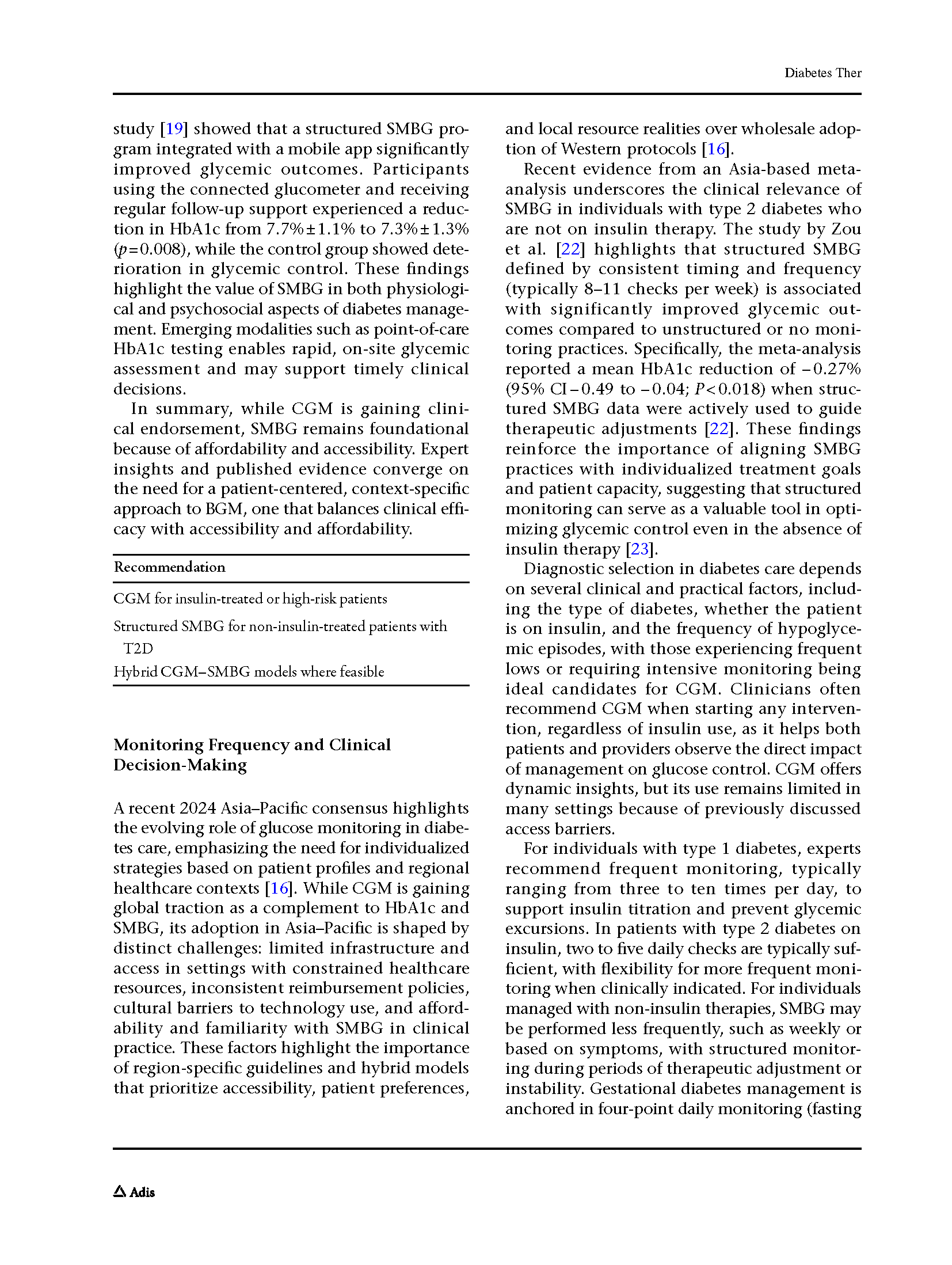
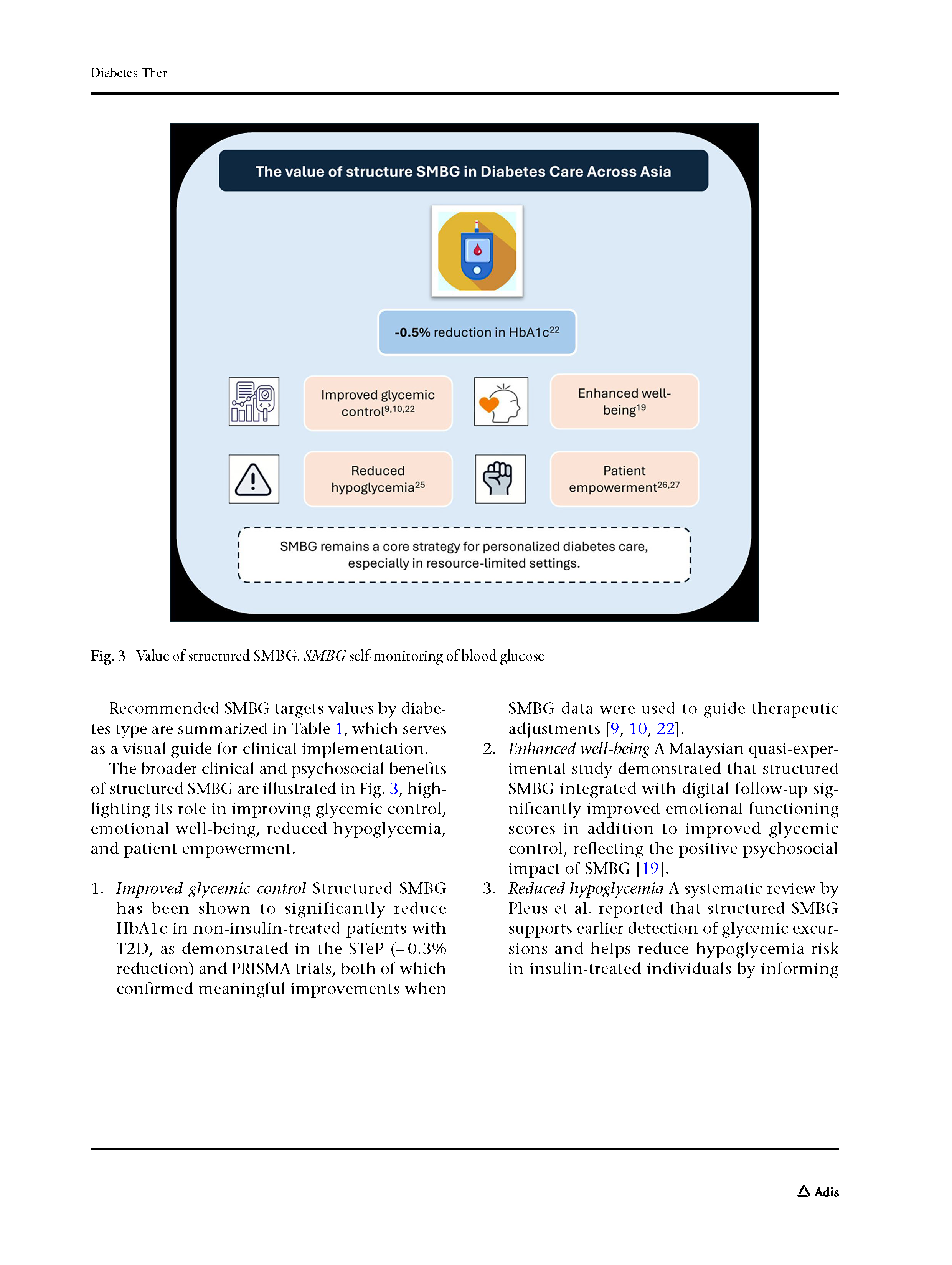
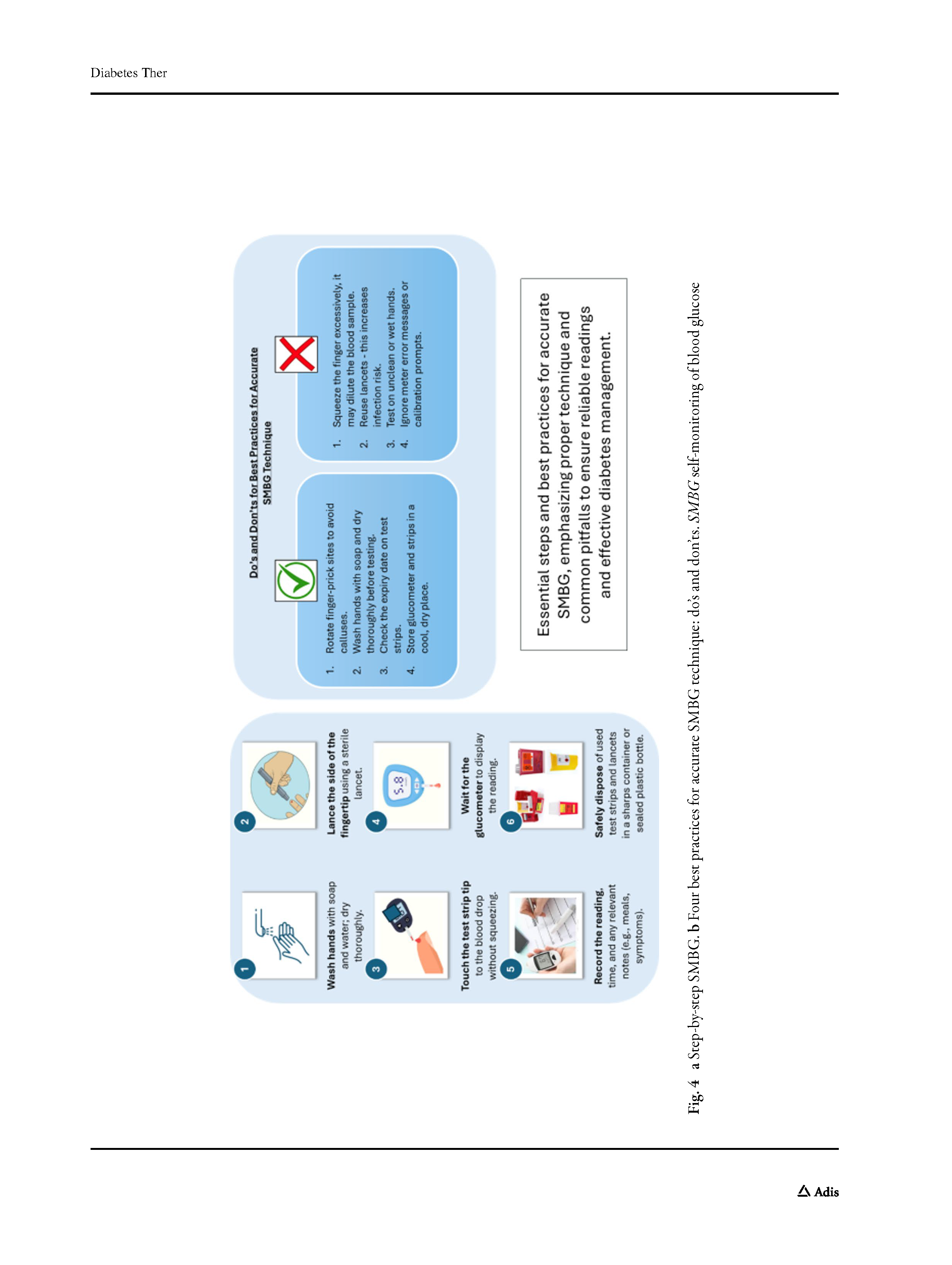
Infographics
Download actionable FITTER BiG recommendations presented as infographics for easy understanding and implementation.
Animated Videos
Explore animations explaining how blood glucose monitoring can improve patient outcomes.
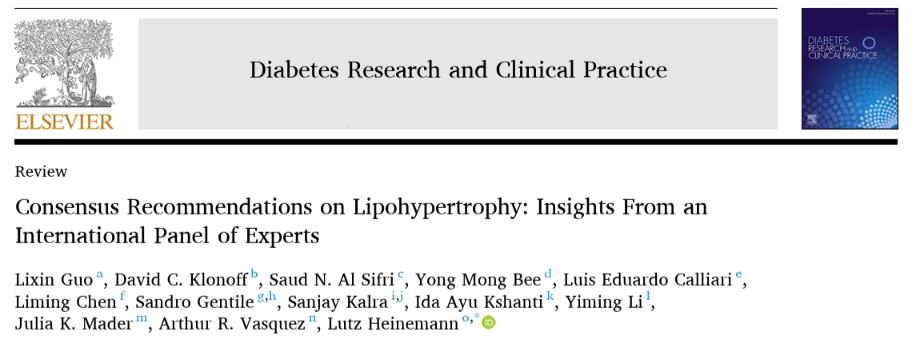
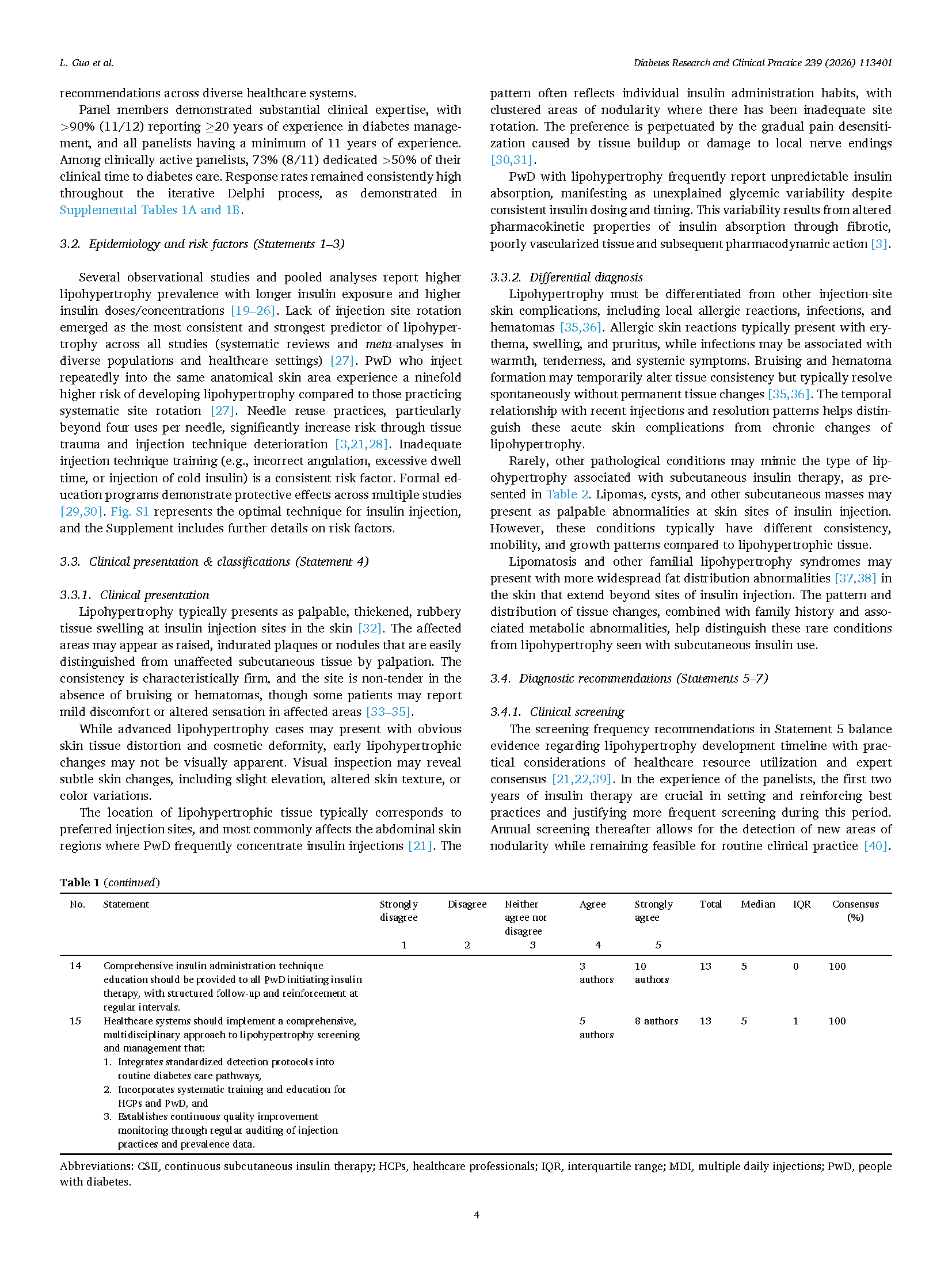
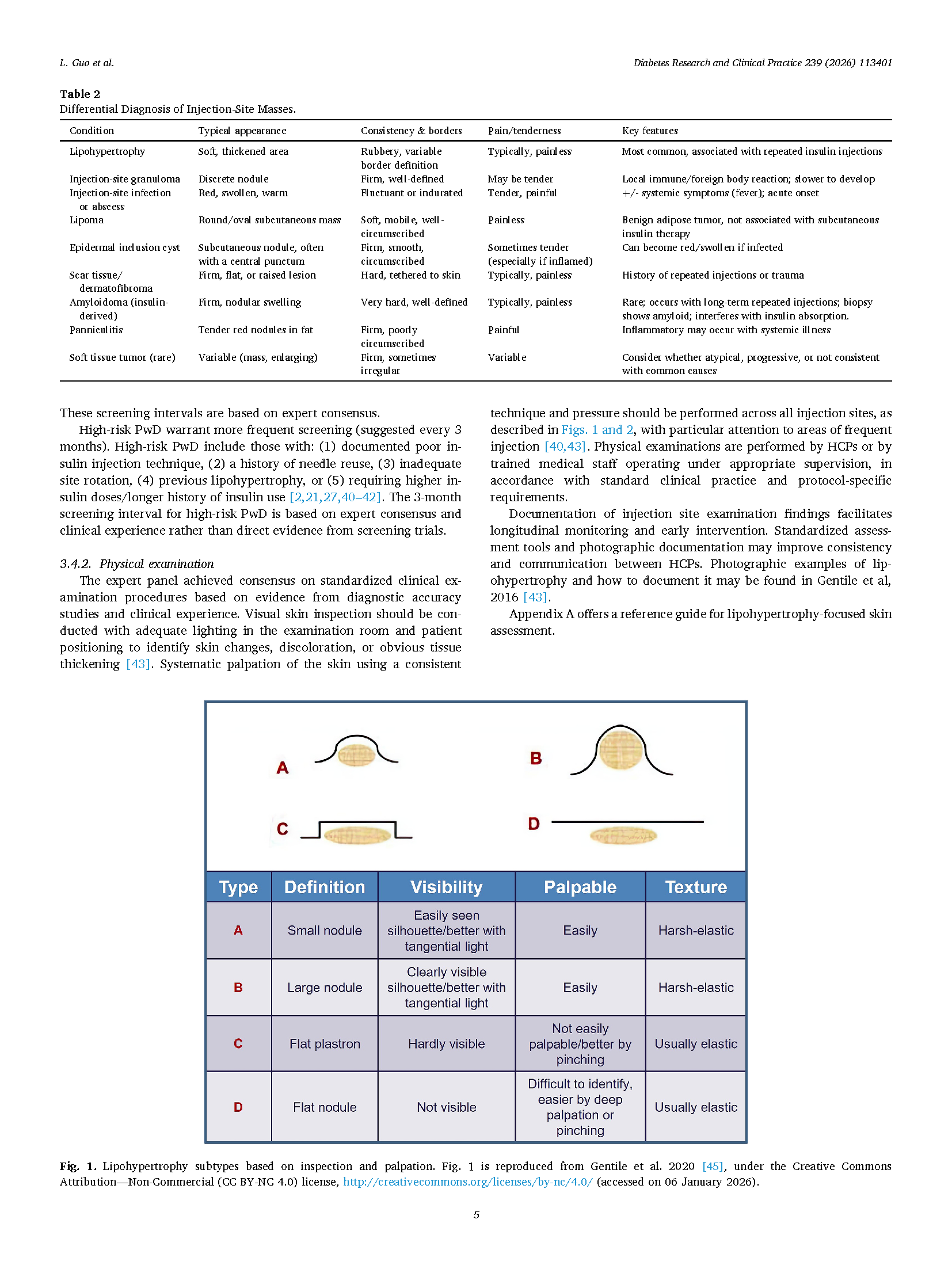
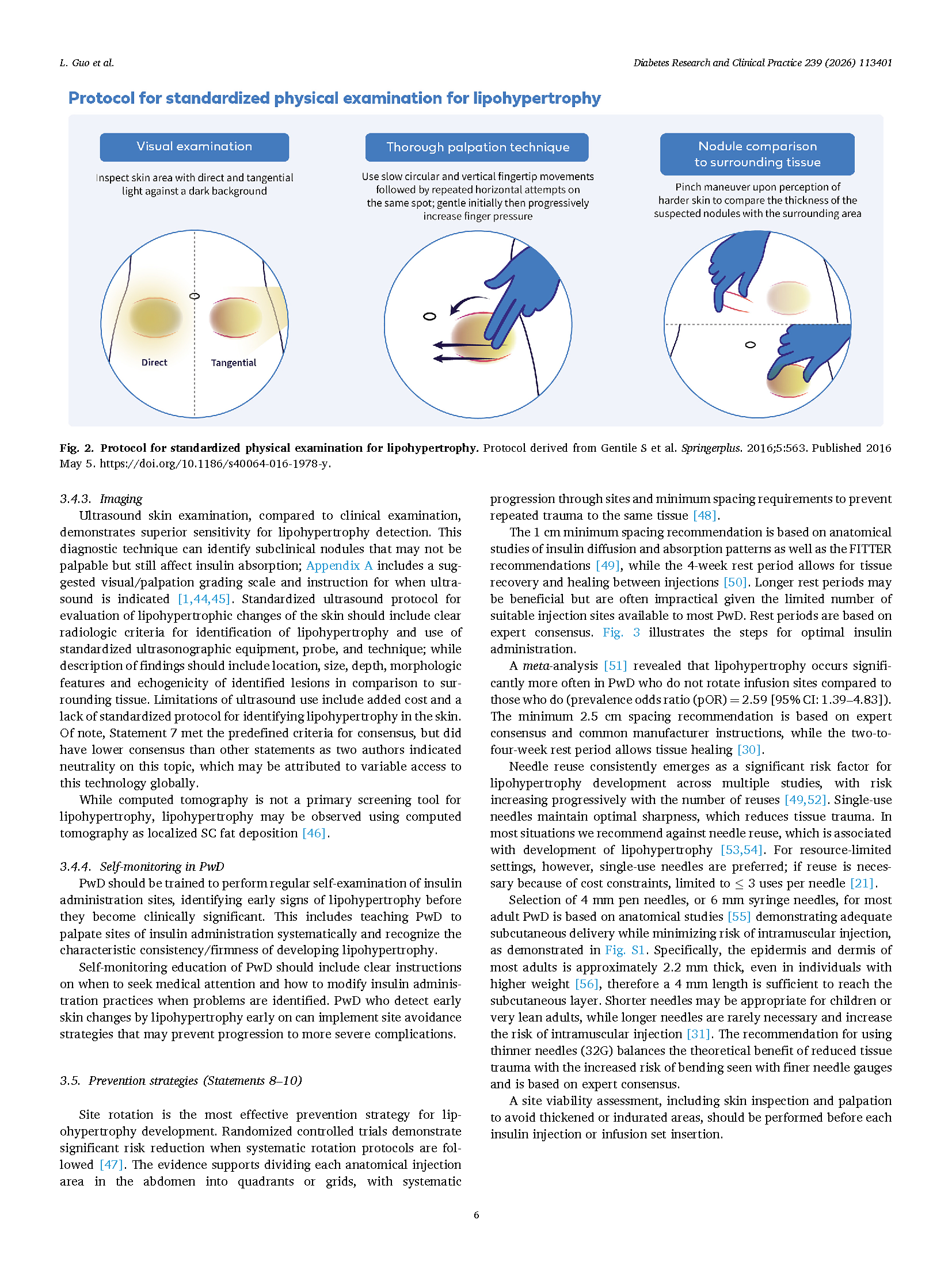
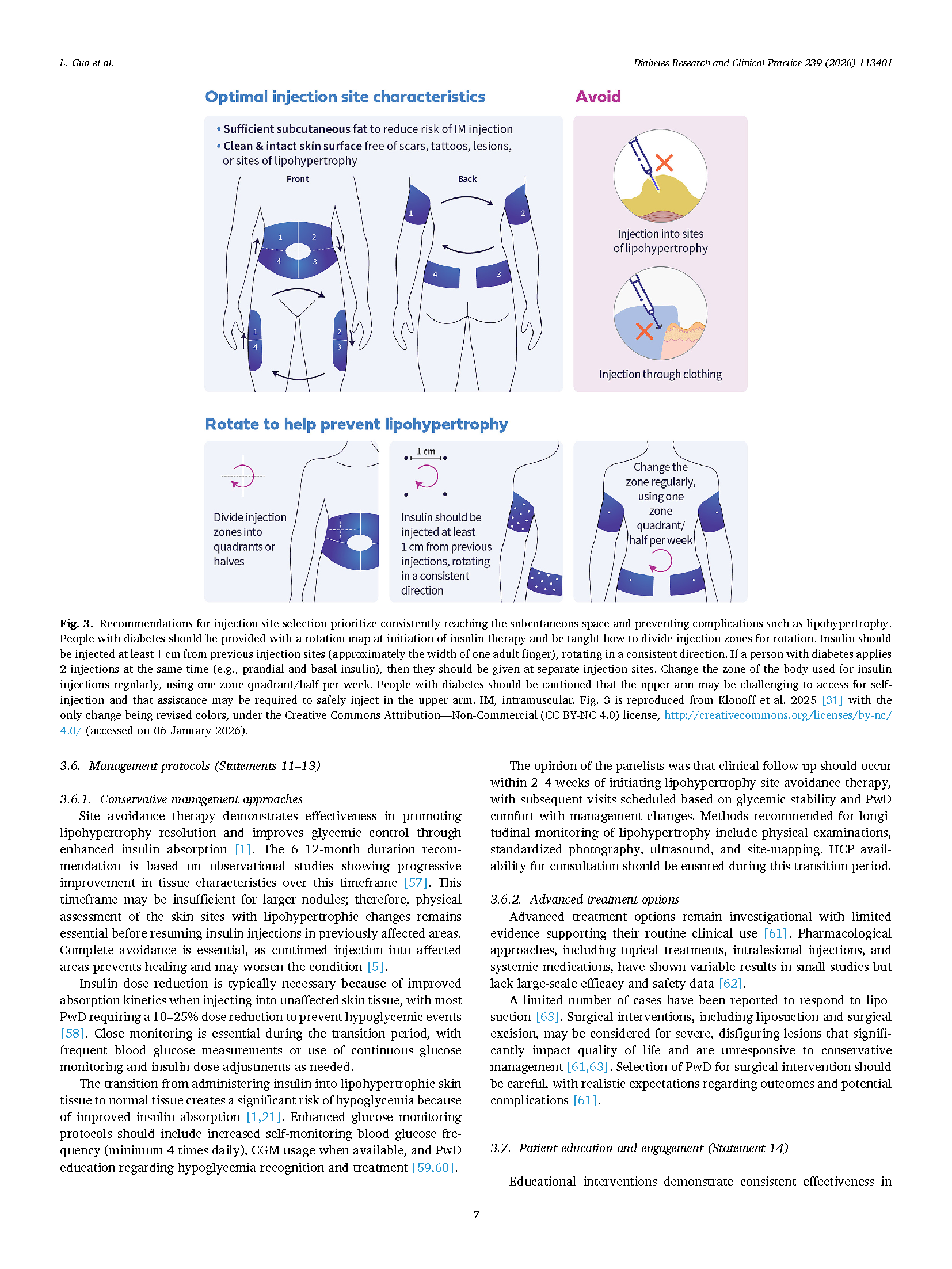
Consensus Recommendations on Lipohypertrophy
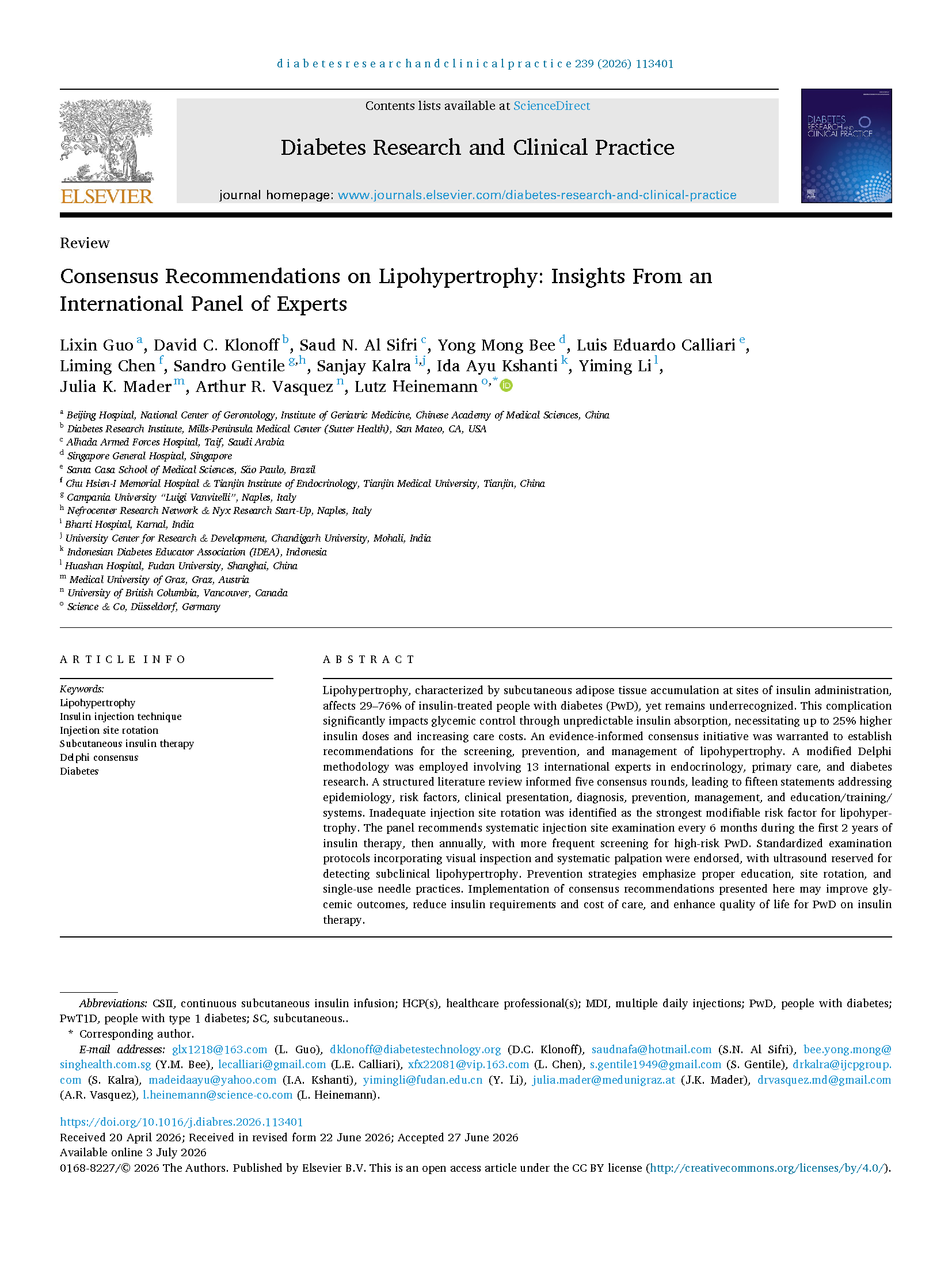
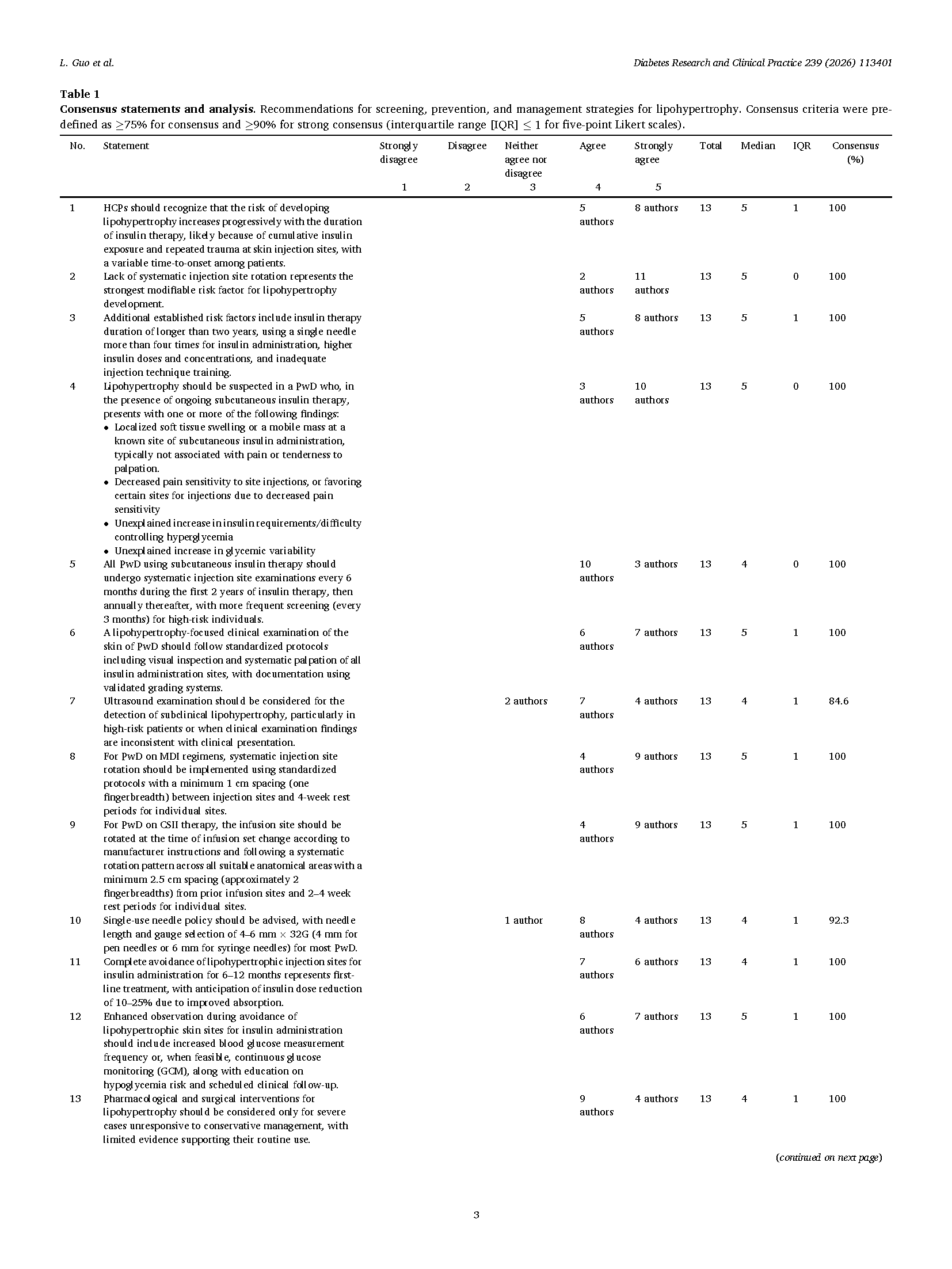
Consensus Recommendations on Lipohypertrophy provides evidence informed consensus recommendations for screening, prevention, and management of this common but underrecognized complication of insulin therapy.
- Developed through a modified Delphi process with 13 international experts, these recommendations address clinical practice gaps that contribute to glycemic variability, increased insulin requirements, and higher healthcare costs
- Emphasis is placed on standardized injection site examination, systematic site rotation, appropriate needle use, and education for clinicians and PwD, with the goal to support consistent, optimal insulin administration across care settings

Pediatric and Young Adult Diabetes Management
FITTER Youth presents updated, consensus based recommendations on insulin injection technique and education for children, adolescents, and young adults with diabetes.
- These recommendations address the physiological, developmental, and psychosocial factors that uniquely influence insulin use across early life stages
- FITTER Youth provides age stratified guidance on device selection, injection technique, site rotation, insulin storage, and lipodystrophy prevention, while emphasizing education for caregivers, schools, and community care providers
Graphical Abstracts
Visualize key recommendations on insulin injection technique in children, adolescents, and young adults.
Injection Technique Recommendations for
GLP-1-Based Therapeutics
This manuscript presents expert derived, evidence informed recommendations on injection technique for GLP 1 receptor agonists and similar injectable GLP-1 based therapies.
- The recommendations provide subject-matter expert insights pertaining to injection devices and technologies, proper injection technique, and site rotation
- Special considerations for populations such as individuals with obesity, those using combination injectable therapies, and those novel to injection-based therapies, as well as non-evidence supported practices including microdosing and compounded formulations of GLP-1-based medications are addressed
- The manuscript calls attention to the need for more research pertaining to how proper injection technique educations impacts health outcomes for individuals using GLP-1-based therapies